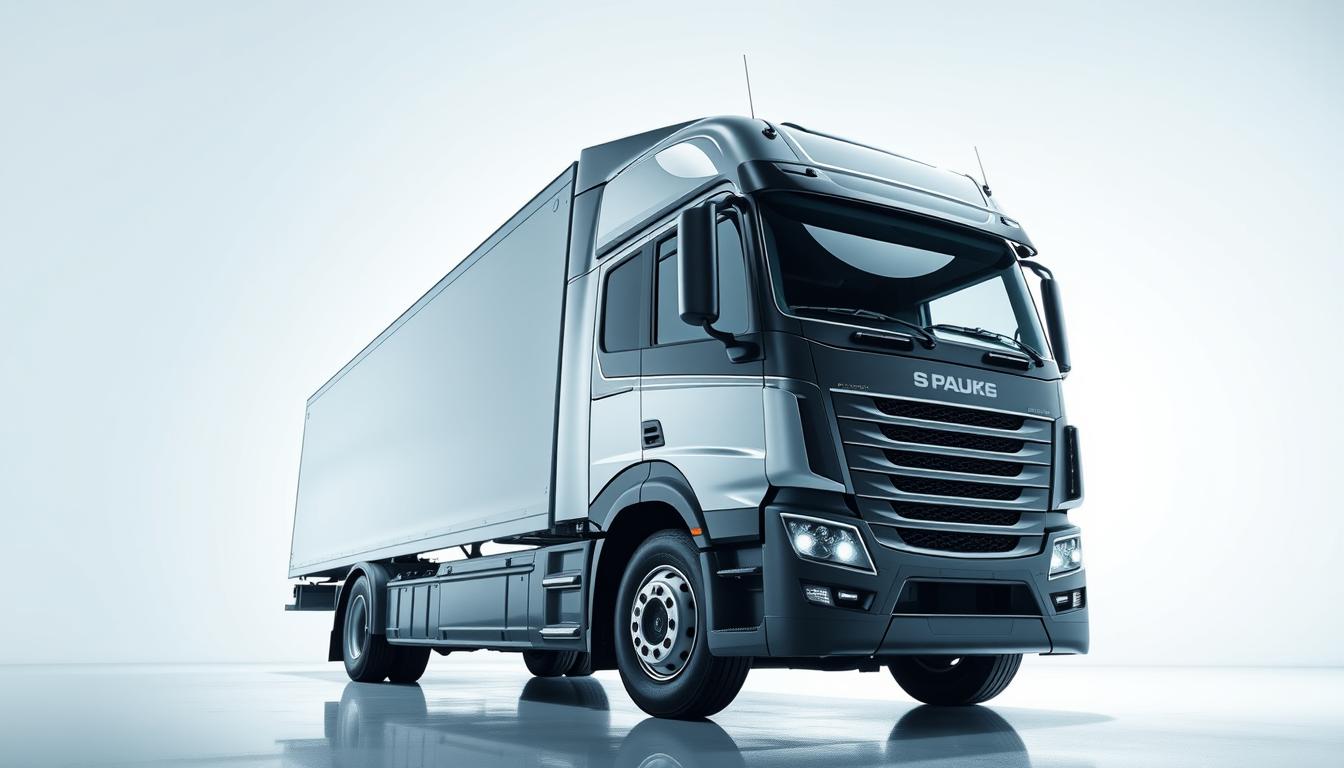
Did you know that a single accident can put your entire business at risk? With the rise in road accidents and unforeseen events, having top-rated truck insurance is no longer a choice but a necessity for truck owners.

As a truck owner, your vehicle is not just a means of livelihood but also a significant investment. Protecting it with the right commercial vehicle insurance can safeguard your business from financial ruin in case of accidents or damage.
Key Takeaways
- Top-rated truck insurance protects your business from unforeseen risks.
- Commercial vehicle insurance covers damage to your truck and third-party liabilities.
- Having the right insurance can significantly reduce financial losses.
- Truck insurance premiums can vary based on several factors, including driving history.
- Choosing the right insurance provider is crucial for comprehensive coverage.
Why Truck Insurance Is Essential for Vehicle Owners
The importance of truck insurance cannot be overstated, especially considering the unique risks truck owners face daily. Truck insurance provides a safety net against various risks, ensuring that truck owners can operate their vehicles without facing financial ruin in case of accidents or other unforeseen events.
The Unique Risks Faced by Truck Owners
Truck owners face a myriad of risks, from accidents on the road to cargo damage and theft. Semi-truck insurance is designed to mitigate these risks, providing coverage for both the vehicle and its cargo. The risks are not limited to the truck itself; they also include liability for accidents that may involve other vehicles or property damage.
Legal Requirements for Truck Insurance in the US
In the United States, trucking insurance is mandated by law for most commercial trucks. The legal requirements vary by state, but generally, truck owners are required to have a minimum level of liability insurance to cover potential damages in case of an accident.
Financial Protection Against Accidents and Liability
Truck insurance provides financial protection against accidents and liability claims. In the event of an accident, insurance can cover the costs of damages, medical expenses, and legal fees, ensuring that truck owners are not left financially devastated.
| Type of Risk | Insurance Coverage |
|---|---|
| Accidents | Liability and Collision Coverage |
| Cargo Damage/Theft | Cargo Insurance |
| Property Damage | Liability Coverage |
Understanding Truck Insurance Coverage Options
Understanding the various coverage options available is crucial for truck owners to ensure they have adequate protection. Truck insurance policies can be tailored to meet specific needs, and knowing what each coverage offers is essential for making informed decisions.
Primary Liability Coverage
Primary liability coverage is a fundamental component of truck insurance, covering damages to other parties in the event of an accident. This includes bodily injury and property damage. It’s essential for protecting your business from potential lawsuits and financial ruin. The minimum liability coverage required varies by state, but it’s often recommended to carry higher limits to ensure adequate protection.
Physical Damage Protection
Physical damage protection covers your truck against various risks such as collisions, theft, vandalism, and natural disasters. This coverage can be divided into collision and comprehensive coverage. Collision coverage pays for damages to your truck if you’re involved in an accident, while comprehensive coverage covers damages not related to accidents, such as those caused by weather or theft.
Cargo and Freight Coverage
Cargo and freight coverage is vital for truck owners who transport goods. This coverage protects against loss or damage to the cargo you’re carrying. Different types of cargo may require specialized coverage, and the value of the cargo can impact your premiums.
Non-Trucking Liability Insurance
Non-trucking liability insurance, also known as “bobtail” insurance, covers your truck when it’s not being used for business purposes, such as when driving without a trailer. This coverage is crucial for owner-operators who may use their trucks for personal activities.
| Coverage Type | Description | Importance |
|---|---|---|
| Primary Liability | Covers damages to others in an accident | High |
| Physical Damage | Covers damages to your truck | High |
| Cargo and Freight | Protects against cargo loss or damage | Medium to High |
| Non-Trucking Liability | Covers your truck when not in use for business | Medium |
By understanding these coverage options, truck owners can better navigate the complex world of truck insurance and ensure they have the protection they need.
Commercial Truck Insurance vs. Personal Auto Insurance
Understanding the distinction between commercial truck insurance and personal auto insurance is crucial for truck owners to ensure they have the right coverage. While personal auto insurance covers typical driving risks, commercial truck insurance is designed for the unique demands and risks associated with commercial trucking.
Key Differences in Coverage Limits and Requirements
One of the primary differences between commercial truck insurance and personal auto insurance lies in their coverage limits and requirements. Commercial truck insurance typically offers higher liability limits to protect against the potentially catastrophic damages that can result from a truck accident. Additionally, commercial policies often include specific coverages such as cargo insurance and non-trucking liability, which are not found in standard personal auto policies.
When You Need to Upgrade to Commercial Coverage
Truck owners need to upgrade to commercial coverage when their vehicle is used for business purposes, such as hauling goods or materials. If you’re using your truck for deliveries, towing, or any activity that generates income, a commercial policy is necessary. Moreover, if your truck has been modified for heavy-duty use or is equipped with specialized equipment, commercial insurance can provide the protection you need.
Cost Comparisons and Value Considerations
While commercial truck insurance is generally more expensive than personal auto insurance, the cost difference is often justified by the enhanced coverage and protection it provides. To compare costs effectively, consider not just the premiums but also the value of the coverage in the event of a claim. The following table illustrates a basic comparison:
| Insurance Type | Average Annual Premium | Typical Coverage Limit |
|---|---|---|
| Personal Auto Insurance | $1,000 – $2,000 | $100,000 – $300,000 |
| Commercial Truck Insurance | $2,500 – $5,000 | $1,000,000+ |
Ultimately, the decision between commercial truck insurance and personal auto insurance should be based on your specific needs and the level of risk you’re willing to assume. By understanding the differences and evaluating your circumstances, you can make an informed choice that provides the right level of protection for your truck and your business.
Specialized Insurance for Different Types of Trucks
Truck insurance is highly specialized, with various coverage options tailored to specific vehicle types. The diverse needs of truck owners, from semi-trucks to pickup trucks used for commercial purposes, necessitate a deep understanding of the insurance requirements for each type.
Semi-Truck and 18-Wheeler Insurance Requirements
Semi-trucks and 18-wheelers require comprehensive insurance coverage due to their size, the value of the cargo they carry, and the potential risks associated with their operation. Semi-truck insurance typically includes liability coverage, physical damage coverage, and cargo insurance. “The insurance needs for these large vehicles are complex and multifaceted,” notes an industry expert, highlighting the importance of working with insurers who understand the nuances of semi-truck insurance.
Dump Truck and Construction Vehicle Coverage
Dump trucks and other construction vehicles face unique risks on construction sites, including accidents involving heavy equipment and potential damage to the vehicles themselves. Dump truck insurance is designed to address these risks, providing coverage for liability, physical damage, and equipment attached to the vehicle. Ensuring that your construction vehicles are adequately insured can protect your business from significant financial losses.
Box Truck and Delivery Vehicle Protection
Box trucks and delivery vehicles are essential for many businesses, particularly in the logistics and delivery sectors. Box truck insurance provides necessary protection against accidents, theft, and damage. This type of insurance can be tailored to the specific needs of your delivery operations, ensuring that your vehicles and cargo are protected.
Pickup Trucks Used for Commercial Purposes
Pickup trucks used for commercial purposes, such as hauling equipment or supplies, require insurance that goes beyond standard personal auto insurance policies. Commercial insurance for pickup trucks can include liability coverage, physical damage coverage, and coverage for equipment or goods being transported.
In conclusion, the type of truck you own dictates your insurance needs. Whether you’re operating semi-trucks, dump trucks, box trucks, or commercial pickup trucks, having the right insurance coverage is crucial for protecting your business and financial well-being.
Fleet Insurance: Managing Coverage for Multiple Vehicles
For companies with multiple vehicles, fleet insurance offers a comprehensive solution to protect against various risks. Managing a fleet involves numerous challenges, including ensuring that all vehicles are adequately insured.
Benefits of Consolidated Fleet Policies
Consolidating your vehicles under a single fleet insurance policy can simplify management and potentially reduce costs. One of the primary benefits is the ability to manage all your vehicles under a single policy, making it easier to keep track of coverage and renewals.
Fleet insurance also allows for more streamlined billing and can provide a more comprehensive overview of your insurance needs, enabling better decision-making.
Scaling Coverage as Your Fleet Grows
As your business grows and your fleet expands, your insurance needs will change. It’s essential to work with an insurer that can scale with your business, providing the necessary coverage adjustments as your fleet size and composition change.
| Fleet Size | Average Premium | Discounts Available |
|---|---|---|
| 1-5 Vehicles | $1,500 – $3,000 | Up to 10% |
| 6-10 Vehicles | $3,000 – $6,000 | Up to 15% |
| 11+ Vehicles | $6,000+ | Up to 20% |
Risk Management Strategies for Fleet Owners
Effective risk management is crucial for fleet owners. This includes implementing driver safety training programs and maintaining your vehicles regularly to reduce the risk of accidents.
By adopting these strategies, fleet owners can not only reduce their insurance premiums but also minimize the risk of accidents and other incidents.
Factors That Affect Your Truck Insurance Premiums
Truck insurance premiums are not arbitrary; they are calculated based on a variety of specific factors related to the driver, vehicle, and operation. Understanding these factors can help truck owners and operators manage their insurance costs more effectively.
Driver Experience, Age, and Driving History
The experience, age, and driving history of the truck driver significantly impact insurance premiums. More experienced drivers with clean records are considered lower risks and typically qualify for lower premiums. Conversely, younger or less experienced drivers, or those with a history of accidents or violations, may face higher rates due to the increased risk they pose.
Vehicle Specifications and Safety Features
The type of truck, its age, and its safety features also play a crucial role in determining insurance premiums. Newer trucks equipped with advanced safety features such as collision avoidance systems and lane departure warning systems may qualify for lower premiums due to their reduced risk profile.

Operating Radius and Route Considerations
The geographical area in which a truck operates and the specific routes it takes can influence insurance costs. Trucks that operate in high-risk areas or on routes known for higher incidences of accidents or theft may incur higher premiums.
Cargo Type and Value
The type and value of the cargo being transported also affect insurance premiums. High-value or hazardous cargo requires additional coverage, increasing premiums. For instance, transporting oversized or heavy equipment may necessitate special insurance provisions.
Claims History and Insurance Score
A truck operator’s claims history and insurance score can significantly impact their premiums. A history of frequent claims can lead to higher premiums, as it indicates a higher risk to the insurer. Maintaining a good insurance score by avoiding claims and demonstrating responsible driving practices can help lower premiums over time.
| Factor | Impact on Premiums |
|---|---|
| Driver Experience | More experienced drivers = lower premiums |
| Vehicle Safety Features | Advanced safety features = lower premiums |
| Cargo Type | High-value or hazardous cargo = higher premiums |
| Claims History | Frequent claims = higher premiums |
“The right insurance coverage can make all the difference in protecting your business from unforeseen risks. Understanding the factors that affect your premiums is the first step in managing those costs effectively.”
— John Doe, Trucking Industry Expert
The Truck Insurance Claims Process Explained
The process of claiming truck insurance is often daunting, but with the right information, truck owners can manage it more efficiently. Understanding the steps involved in filing a claim can significantly reduce stress and ensure that you receive the compensation you’re entitled to.
Steps to Take After an Accident
After an accident, it’s crucial to follow a specific procedure to ensure that your claim is processed smoothly. First, ensure everyone’s safety and move to a safe location if possible. Then, document the scene thoroughly with photos and gather witness statements. Notify the authorities and file a police report if necessary.
Key Steps:
- Exchange information with other parties involved.
- Notify your insurance provider as soon as possible.
- Keep a record of all correspondence related to the accident.
Required Documentation and Evidence
To support your claim, you’ll need to provide comprehensive documentation. This includes the police report, photos of the damage, witness statements, and any medical reports if there were injuries. Keeping a detailed record of all expenses related to the accident is also crucial.
| Documentation Type | Description |
|---|---|
| Police Report | Official report detailing the accident circumstances. |
| Photos and Videos | Visual evidence of the accident scene and damage. |
| Witness Statements | Written or recorded statements from witnesses. |
Working with Adjusters and Resolving Disputes
Once you’ve filed your claim, an insurance adjuster will be assigned to your case. The adjuster’s role is to assess the damage and determine the extent of the insurance company’s liability. It’s essential to cooperate fully with the adjuster and provide all requested information.
Tip: If you disagree with the adjuster’s assessment, you can negotiate or seek a second opinion. Understanding your policy and knowing your rights can help in resolving disputes effectively.
Top-Rated Truck Insurance Companies in the United States
The US truck insurance market is filled with numerous providers, but some stand out for their exceptional service and coverage options. When it comes to insuring your truck, whether you’re an owner-operator or manage a fleet, choosing a top-rated insurance company can make all the difference.
Best Providers for Owner-Operators
Owner-operators need insurance that is both comprehensive and flexible. Companies like Progressive and Great West Casualty offer tailored policies that cater to the unique needs of independent truckers. These providers understand the challenges faced by owner-operators and offer competitive rates along with excellent customer service.
Optimal Coverage for Fleet Businesses
Fleet businesses require insurance solutions that can scale with their operations. National Fleet Safety and Markel are renowned for their fleet insurance products, offering customizable policies that cover multiple vehicles under a single plan. This not only simplifies management but can also lead to cost savings.
Specialized Carriers for Unique Truck Types
Some trucks have unique requirements, such as dump trucks or those used in construction. Amerisure and Northland Insurance specialize in providing coverage for these specialized vehicles, understanding the specific risks and challenges associated with them.
Budget-Friendly Options with Quality Coverage
Not all trucking businesses have extensive budgets, but that doesn’t mean they have to compromise on quality. Companies like Thrivent and Auto-Owners Insurance offer affordable truck insurance without sacrificing coverage quality. They provide a balance between cost and comprehensive protection.

| Insurance Company | Specialty | Customer Rating |
|---|---|---|
| Progressive | Owner-Operators | 4.5/5 |
| National Fleet Safety | Fleet Businesses | 4.7/5 |
| Amerisure | Specialized Trucks | 4.4/5 |
| Thrivent | Budget-Friendly | 4.3/5 |
Conclusion: Securing the Right Protection for Your Trucking Investment
Protecting your trucking investment is crucial for the success and longevity of your business. Adequate trucking insurance is not just a legal requirement; it’s a vital component of safeguarding your assets against unforeseen risks and financial losses.
Throughout this article, we’ve explored the various aspects of truck insurance, from understanding coverage options to the factors that affect premiums. By now, it’s clear that the right trucking insurance can provide comprehensive protection against accidents, liability, and other risks associated with operating a truck.
When selecting a trucking insurance policy, it’s essential to consider your specific needs, including the type of cargo you transport, the value of your vehicles, and your business operations. By doing so, you can ensure that your trucking investment is adequately protected, allowing you to focus on growing your business with confidence.
By investing in the right protection, you can mitigate risks, reduce financial losses, and ensure the continuity of your operations. This not only safeguards your business but also enhances your reputation and reliability in the industry.
InsurTech 2025: The Top Technology Trends to Watch
FAQ
What is truck insurance, and why do I need it?
Truck insurance is a type of commercial vehicle insurance that protects your truck, cargo, and business from various risks and liabilities. You need it to comply with legal requirements, safeguard your financial investment, and ensure business continuity.
What types of coverage are typically included in truck insurance policies?
Typical coverage includes primary liability, physical damage, cargo, and non-trucking liability. Some policies may also offer additional coverage options, such as trailer interchange, rental reimbursement, or roadside assistance.
How do I determine the right amount of coverage for my truck?
To determine the right amount of coverage, consider factors such as the value of your truck, cargo, and business operations. You should also assess your risk exposure, including potential liabilities and losses.
Can I insure multiple trucks under a single policy?
Yes, fleet insurance allows you to consolidate coverage for multiple trucks under a single policy, often with discounted rates and streamlined management.
How do insurance companies determine premiums for truck insurance?
Premiums are determined by factors such as driver experience, vehicle specifications, operating radius, cargo type, and claims history. Insurance companies may also consider your business operations, safety record, and other risk factors.
What is the difference between commercial truck insurance and personal auto insurance?
Commercial truck insurance provides broader coverage and higher liability limits, tailored to the unique risks and needs of commercial trucking operations. Personal auto insurance is designed for personal vehicles and may not provide adequate coverage for commercial use.
How do I file a claim under my truck insurance policy?
To file a claim, notify your insurance provider promptly after an incident, providing required documentation and evidence. Work with adjusters to resolve the claim, and be prepared to provide additional information as needed.
Are there any specific insurance requirements for different types of trucks, such as semi-trucks or dump trucks?
Yes, different types of trucks have unique insurance requirements. For example, semi-trucks may require higher liability limits, while dump trucks may need specialized coverage for construction or hauling operations.
Can I customize my truck insurance policy to fit my business needs?
Yes, many insurance providers offer customizable policies that allow you to tailor coverage to your specific business needs, including optional coverage add-ons and flexible policy limits.
How can I reduce my truck insurance premiums?
To reduce premiums, consider implementing safety measures, such as driver training programs or vehicle safety features, and maintaining a good claims history. You can also shop around, compare rates, and work with an experienced insurance agent to optimize your coverage and costs.